Introduction Notes to Climate Change
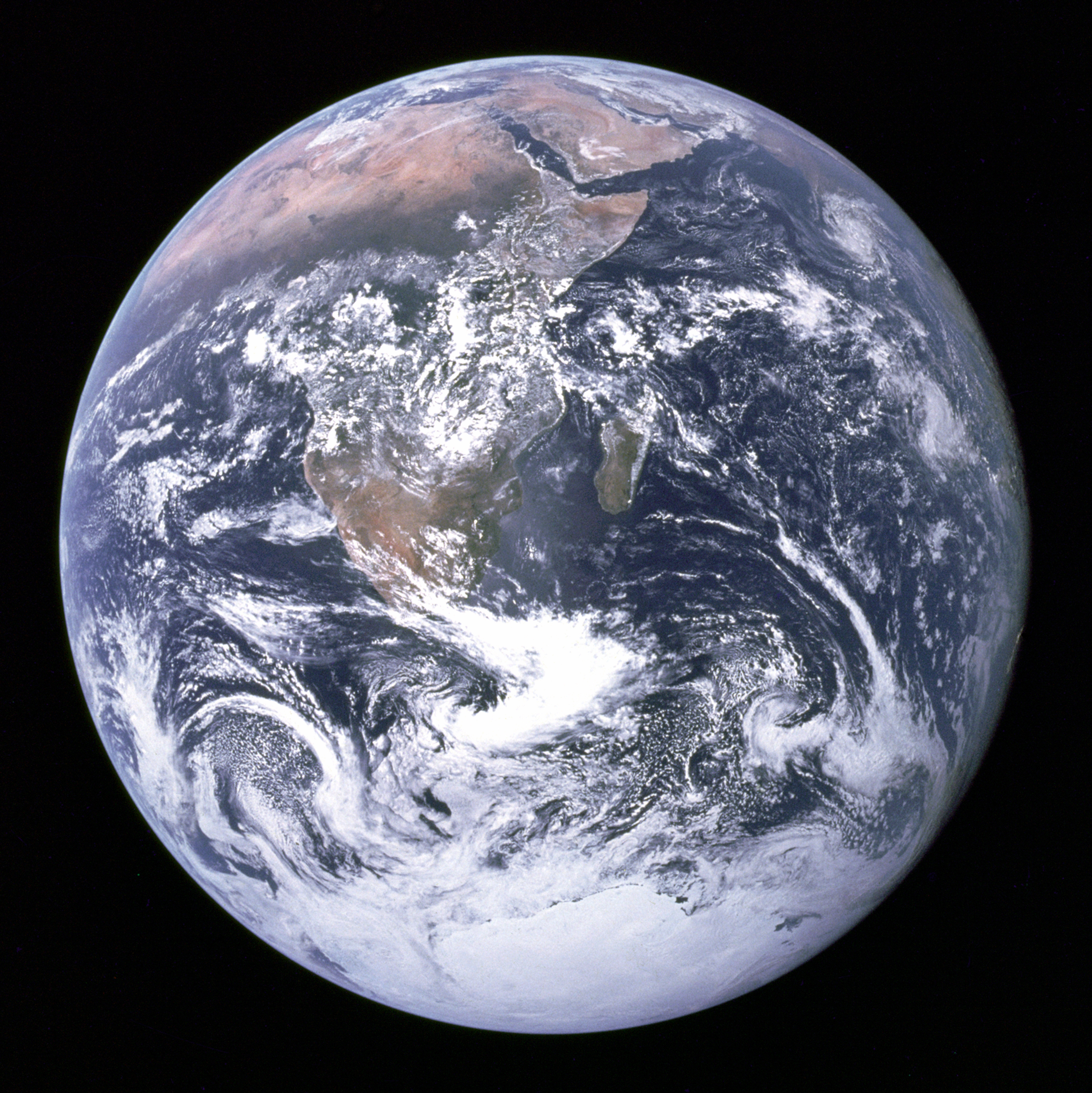
- We operate as if the Earth is a closed system because we derive our energy off of fossil fuels
- We use matter for energy, hut in reality the sun is an open system in regard to energy as opposed to a closed system in regard to matter
- Instead of deriving energy from the sun's energy, we derive it off of matter which is what causes pollution
- Matter=The earth is a closed system
- Energy=The earth is an open system
- *Climate change is avoidable! We are not making it better, only worse
Must we change?? YES
Can we change?? This is a complicated change.
How do we make change occur?
- Atmosphere: The sphere of gases over our head
- Troposphere: A thin layer where we live. This is where we actively live.
- Stratosphere: The gases that are trapped above the troposphere that allow for the transfer of gases through the earth's system but also provide a boundary that addresses the issue of temperature.
- As gases like CO 2 increase, the boundary between space & the atmosphere thicken, this creates an insulating blanket causing heat on the earth
- *CO 2 concentration increases as more of the outgoing infrared radiation is trapped-this is the cause of climate change*
- We are dumping 110 Million Tons of man made Global warming pollution into the Atmosphere every 24 hours
- The Biggest Sources of Greenhouse Gases: Thawing permafrost, goal mining, coal plants, air transport, oil production, fertilization, industrial agriculture, industrial processes, landfills, land transport and fossil fuels
- The largest source of global warming pollution of fossil fuels
- Anomaly: Unexpected deviation from the norm
- Exponential growth: Growth that doubles the amount at a fast rate
- 2016 was the hottest year recorded in the world
- Global ocean heat content has increased. This is dangerous because the heat kills the coral reefs and by killing the coral reefs we kill the animals that thrive off of them. This creates dead oceans.
- Global ocean heat content increases and causes worse storms
- In 2015 there were three category 4 hurricanes at one time
- Water Cycle: Precipitation, rain falls/water returns to the sea, evaporates from the earth
- Rain bomb= Rain storm/tornado with intense water that is flooding out
- The same extra heat that evaporates more water from the ocean, causing bigger downpours and floods pulls moisture even more quickly from the soil. causing longer and deeper droughts
- Glacier melting-Ocean rise is tied up to the water running from the glaciers
Climate change "will likely lead to food and water shortages, pandemic disease, disputes over refugees and...natural disasters in regions across the globe."
"Climate change is a medical emergency."
- We now risk losing up to 50% of all land-based species in this century
- The #1 threat to the global economy is climate change. The cost of carbon: political instability, floods & mudslides, wildfires, drought, storm damage, ocean acidification, infrastructure loss, climate refugees, species extinction, melting glaciers, famine, water scarcity, ecosystem loss, our way of life

No comments:
Post a Comment